
Understanding gambling addiction signs, symptoms, and support options
What is Gambling Addiction?
Gambling addiction, often referred to as compulsive gambling or ludomania, is a behavioral disorder characterized by an uncontrollable urge to gamble despite the negative consequences it may impose. This addiction can manifest in various forms, whether through traditional gambling venues like casinos or increasingly popular online platforms. Many individuals may initially engage in gambling for recreational purposes but eventually find themselves trapped in a cycle of obsessive behavior that can lead to severe financial, emotional, and social consequences. One exciting option to explore in this realm is the aviator game, which has gained significant popularity among players.
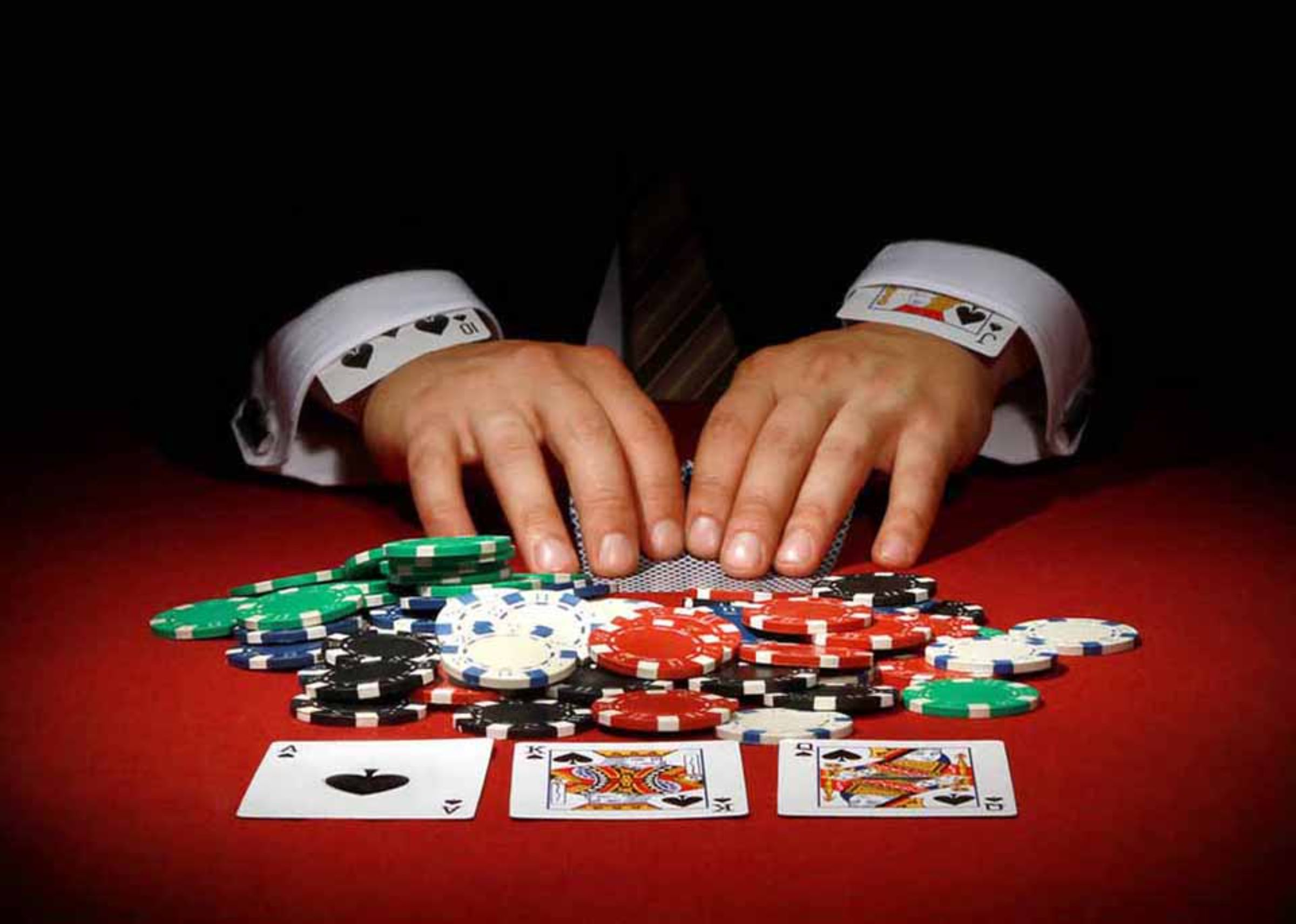
The classification of gambling addiction has evolved over the years, gaining recognition in medical communities as a mental health disorder. The criteria for diagnosing this condition often include persistent thoughts about gambling, unsuccessful attempts to cut back, and engaging in gambling to escape from stress or emotional distress. Understanding this condition is vital for both individuals and their loved ones, as it can help in identifying the warning signs early on.
Gambling addiction can affect anyone, regardless of age, gender, or socioeconomic background. The appeal of winning large sums of money can lead individuals to overlook the potential risks associated with gambling. Online gambling platforms have made this issue more prevalent, as easy access can exacerbate compulsive behavior. Recognizing gambling addiction requires not only an understanding of the symptoms but also a commitment to seeking help and support.
Signs of Gambling Addiction
Identifying the signs of gambling addiction is crucial for early intervention. One of the most common indicators is a preoccupation with gambling, where individuals constantly think about previous gambling experiences or plan future bets. This preoccupation can lead to a neglect of personal responsibilities, including work, family, and social life. When gambling becomes a priority over essential aspects of daily living, it raises significant concerns about a possible addiction.
Another notable sign is the experience of withdrawal symptoms when not gambling. Individuals may feel irritable, anxious, or restless, leading them to gamble again to alleviate these feelings. This cycle can create a dangerous pattern where the individual continues to gamble in a futile attempt to relieve emotional discomfort. Additionally, lying about gambling habits or the frequency of play can further complicate the situation, as it strains relationships with family and friends.
Escalating bets to chase losses is a common behavior among those struggling with gambling addiction. When individuals increase their wager amounts to recoup previous losses, they may inadvertently put themselves in a deeper financial hole. This compulsive betting behavior can result in significant debt, potentially leading to severe financial repercussions and even legal troubles. Recognizing these signs is critical for individuals and their families in seeking timely help and making informed decisions.
Symptoms of Gambling Addiction
Gambling addiction can manifest through various emotional and behavioral symptoms. Individuals may experience feelings of guilt, anxiety, or depression related to their gambling habits. This emotional turmoil often leads to isolation, as they may distance themselves from friends and family to hide their behaviors. This isolation can further exacerbate feelings of loneliness and despair, creating a vicious cycle that is challenging to escape.
Financial symptoms are also prominent in individuals struggling with gambling addiction. Many may deplete their savings, accrue substantial debt, or even resort to illegal activities to finance their gambling habits. This can lead to significant stress and conflict in relationships, as loved ones may not understand the depth of the problem. Financial issues can escalate quickly, affecting not only the individual but also their families and communities.
Physical symptoms may also arise as a result of gambling addiction. Individuals may experience sleep disturbances, headaches, or digestive issues due to the stress of their gambling activities. These physical manifestations often go unnoticed, as the focus remains on the gambling behavior itself. Recognizing these symptoms is essential, as they can be indicators that the addiction has reached a critical point, warranting immediate intervention.
Support Options for Gambling Addiction
Seeking help for gambling addiction is vital, and various support options are available. Professional counseling or therapy can provide a safe environment for individuals to explore their feelings, develop coping strategies, and address the underlying issues contributing to their addiction. Cognitive-behavioral therapy (CBT) has proven particularly effective, as it helps individuals identify and change harmful thought patterns related to gambling.
Support groups, such as Gamblers Anonymous, can also play a crucial role in recovery. These groups offer a sense of community and understanding, allowing individuals to share their experiences and learn from others who have faced similar challenges. The collective wisdom and support found in these groups can provide motivation and encouragement, helping individuals to stay committed to their recovery journey.
In addition to professional help and support groups, family involvement can be an essential component of recovery. Educating family members about gambling addiction can foster understanding and create a supportive environment for the affected individual. Open communication and emotional support can significantly impact the recovery process, allowing individuals to feel less isolated as they navigate their challenges.

Online Gambling Resources and Support
In today’s digital age, numerous online resources are available to assist individuals struggling with gambling addiction. Many websites provide educational materials, self-assessment tools, and directories of local support services, making it easier for individuals to seek help. These platforms often feature forums and chat rooms where individuals can connect with others facing similar issues, fostering a sense of community and support.
Additionally, many online gambling platforms now offer responsible gambling tools, such as self-exclusion options and limits on deposits and bets. These features are designed to help individuals manage their gambling habits and minimize the risk of developing an addiction. By promoting responsible gambling practices, these platforms contribute to creating a safer gambling environment for all users.
It is crucial for individuals to take advantage of these resources and support options. Whether through professional counseling, support groups, or online tools, recognizing the need for help is the first step toward recovery. By engaging with available support networks, individuals can embark on a journey towards healthier habits and improved well-being.