
The mind games behind gambling understanding psychological triggers
The Psychology of Risk and Reward
The allure of gambling often stems from the intricate psychology of risk and reward. Players are naturally drawn to the thrill of uncertainty, which can heighten their emotional responses. This emotional engagement is what makes gambling so compelling, as individuals anticipate the potential for a significant payoff. You can find numerous options among online casinos australia, where the rush from winning can create a euphoric experience, which some players seek repeatedly, leading to a cycle of gambling behavior.
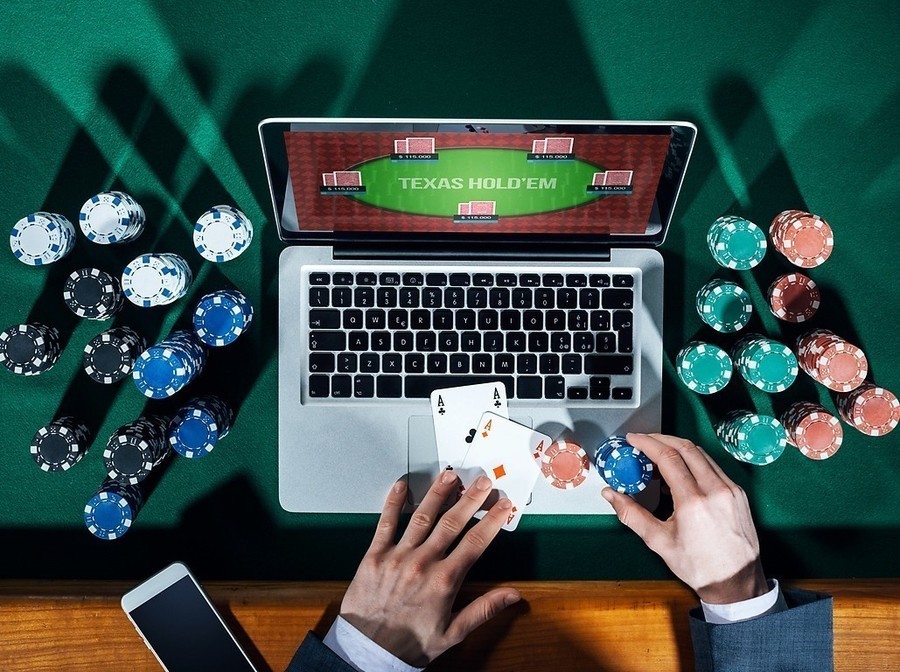
This cycle is often reinforced by what psychologists term the ‘variable ratio reinforcement schedule.’ Unlike predictable outcomes, the unpredictability of wins keeps players engaged and hopeful, making them more likely to return to the game. Understanding this psychological trigger can help both players and operators create a more informed gambling environment.
The Illusion of Control
Another fascinating aspect of gambling psychology is the illusion of control. Many players believe they can influence the outcome of games, especially those involving skill, such as poker. This belief can lead to a false sense of mastery, prompting players to take greater risks in hopes of achieving better outcomes. This misperception can drive players to gamble more frequently and with larger sums, often leading to negative consequences.
Cognitive biases play a significant role here, as players often focus on their successes while overlooking their losses. This selective memory can perpetuate the idea that they are skilled gamblers. Recognizing the fallacies behind this illusion is crucial for understanding one’s gambling behavior and making more rational decisions.
The Role of Emotion in Gambling
Emotion plays a critical role in gambling, influencing decisions and behaviors in complex ways. Players often gamble to escape reality or cope with negative feelings, such as stress or depression. The act of gambling can provide a temporary distraction, and the potential for a win offers hope. However, relying on gambling as a coping mechanism can lead to destructive patterns and addiction.
Additionally, the excitement of gambling can evoke strong feelings of happiness, disappointment, and anxiety. These emotional highs and lows can create a rollercoaster effect, keeping players engaged. Understanding how emotions affect decision-making can empower individuals to manage their gambling habits more effectively, promoting healthier behaviors.
The Environment of Gambling
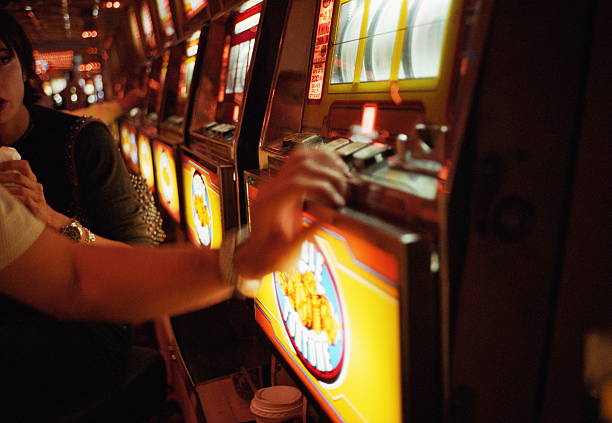
The environment in which gambling occurs also significantly impacts players’ experiences and behaviors. Factors such as lighting, sound, and even the presence of other people can create an atmosphere that heightens emotional responses and encourages play. Casinos are designed to maximize engagement, often leading to extended gaming sessions.
Moreover, the accessibility of online gambling has changed the landscape, allowing players to gamble anytime and anywhere. This convenience can blur the lines between casual play and compulsive behavior. Recognizing how environmental cues influence gambling can help players develop awareness of their habits and make more conscious choices.
Choosing the Right Online Casino Experience
When considering an online gambling experience, it’s essential to evaluate platforms that prioritize responsible gaming while offering engaging gameplay. A reputable online casino should provide comprehensive resources about responsible gambling and help players understand the psychological triggers at play. This can include features such as self-exclusion tools, reality checks, and educational materials about gambling behavior.
Additionally, selecting a site that offers a variety of games and user-friendly interfaces can enhance the overall gaming experience. Understanding the psychological aspects of gambling can lead to more informed choices, allowing players to enjoy their gaming journey while remaining mindful of their habits and mental well-being.